


Introduction
Damietta Governorate is one of the most prominent industrial and commercial governorates in Egypt, possessing numerous economic advantages that make it a distinguished center for many industries, particularly furniture manufacturing, food processing, and shipbuilding. The following is an overview of the governorate's most important comparative advantages:
Raw Materials
Damietta possesses natural and industrial resources that support various economic activities, most notably:
- Timber: The governorate relies on importing high-quality timber such as beech and oak from countries like Romania, Turkey, and Indonesia. Damietta's timber import companies have the expertise to secure the finest timber in sufficient quantities without experiencing import shortages.
- Fish Resources: Due to its strategic location on the Mediterranean Sea and the Nile River, Damietta is a major fishing center. Large fishing fleets support the fish processing and export industries, and the governorate owns 65% of Egypt's marine fishing fleet. Agricultural Crops: The Kafr Saad and Faraskur regions are renowned for wheat and rice cultivation, supporting the food industries in the governorate. The soil in Damietta Governorate is characterized as cohesive, medium to light loamy clay soil, known for its ability to retain water and nutrients. It is a deep, high-quality loam.
- Marble and Granite: There are workshops and factories specializing in the manufacture of marble and granite, meeting the needs of the local market and for export.
- Mineral Resources: Damietta Governorate's natural gas production represents 7.1% of Egypt's total natural gas production. The governorate also boasts other mineral resources, such as quarries and salt pans that produce salts used for industrial purposes (Damietta, Mashreqa, El-Bahar, and Sidi Shata salt pans).
In addition, gypsum ore is found in El-Manzala, and black sand is present. The economic importance of black sand stems from its mineral content, which is used in numerous industries, most notably ilmenite, iron oxides, zircon, garnet, monazite, and heavy silicates. Facilities and Infrastructure
Facilities and infrastructure
Damietta boasts a robust infrastructure that supports economic activities, including:
- Ports: Damietta Port, one of Egypt's most important commercial ports, facilitates import and export operations, easing the movement of goods and raw materials.
- Roads and Transportation: Damietta is connected by a network of highways, as well as the Damietta Logistics Corridor, which will facilitate transportation and trade. This initiative aims to transform Damietta Port into a global hub for transit trade in the Mediterranean. The full development of Damietta Port is expected to be completed by 2027 as part of this integrated logistics corridor. Industrial Zones: The governorate boasts modern industrial zones, including Damietta Furniture City, which provides an integrated environment for investors and workers in the furniture sector, and the New Damietta Industrial Zone, which houses factories for food, chemical, and textile industries. This reflects the Egyptian government's and state's focus on infrastructure investment, a cornerstone of the economic and social reform program. Large-scale investment in infrastructure projects stimulates market demand in other economic sectors, encouraging investment in them. Furthermore, infrastructure projects create numerous jobs, increasing income and market demand, which in turn boosts production across various sectors and contributes to driving development.
Labor Force
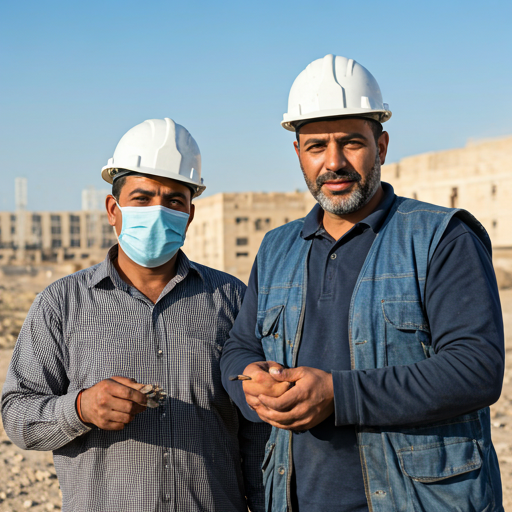
Damietta Governorate boasts a skilled and trained workforce. Key factors contributing to this include:
Craftsmanship: The governorate is home to a large number of furniture-making artisans from long-established families with inherited expertise in design and manufacturing.
Technical Education: Damietta has several specialized educational institutions, such as the Furniture Technology Center and the New Damietta School for Applied Technology.
Labor Costs: Labor costs in Damietta are lower compared to other governorates, enhancing the competitiveness of local products.
Administrative Facilitations and Investment Incentives
The government is committed to supporting investment in Damietta through a range of facilitations, most notably streamlined licensing procedures. The government also offers tax exemptions and financing facilities, particularly for projects like Damietta Furniture City, where investors have benefited from tax advantages and low-interest loans to support small and medium-sized enterprises (SMEs).
Additional government support has been provided through initiatives such as Decent Life, which contributes to developing the infrastructure of villages and industrial zones. Furthermore, the Micro, Small and Medium Enterprises Development Agency (MSMEDA) provides accessible financing to support young people and new investors.
Tourism Attractions
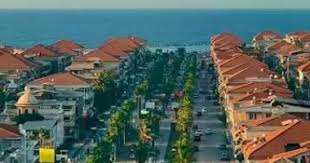
Damietta boasts a unique blend of international ecotourism, cultural, and artisanal tourism. Its prime geographical location makes it an attractive beach destination, and the confluence of the Nile River and the Mediterranean Sea at the Al-Lisan area gives it a rare advantage.
Damietta is considered an affordable tourist destination compared to major coastal cities, offering a variety of accommodations to suit different budgets, from luxury hotels to furnished apartments.
Natural Landmarks
Ras El Bar Island is one of Egypt's most famous summer resorts, where the Mediterranean Sea meets the Nile River in a unique natural setting.
Lake Manzala is one of the largest natural lakes in Egypt and a popular destination for ecotourism and fishing enthusiasts.
Historical and Archaeological Landmarks
Damietta Governorate boasts numerous important archaeological sites dating back to the Roman, Islamic, and Coptic eras, such as the Mosque of Amr ibn al-Aas, the oldest mosque in Damietta, dating back to the Islamic conquest of Egypt, and the Damietta Citadel in Ezbet El-Borg, which is considered one of the important archaeological sites reflecting the governorate's history in confronting invasions.